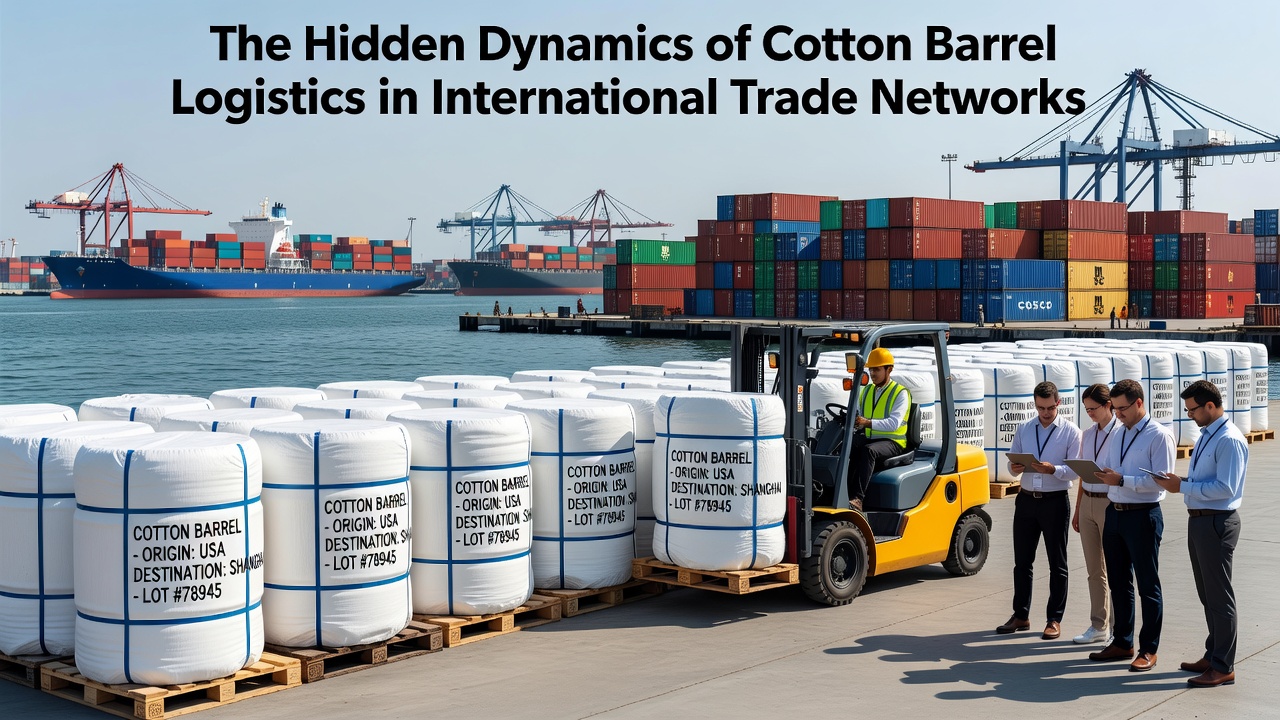
The Hidden Dynamics of Cotton Barrel Logistics in International Trade Networks
Global cotton trade relies on specialized barrel containers that protect fiber quality during long voyages, and these units move through intricate networks connecting producers in the Americas, Africa, and Asia with mills in Europe and East Asia. Data from trade records shows that barrel shipments account for a growing share of bulk cotton movements because they reduce contamination risks compared to traditional bale stacking. Observers note that port handling procedures, customs documentation, and vessel scheduling create layers of coordination that remain largely invisible to outside analysts.
Container Standards and Their Impact on Shipping Routes
Cotton barrels follow ISO specifications that allow them to stack efficiently in container holds, yet variations in barrel diameter across regions force carriers to adjust loading patterns on certain routes. Research indicates that shipments originating from West African ports often use reinforced barrels to withstand humidity, while those from the southern United States incorporate moisture-absorbing liners. These differences affect which vessels can accept particular consignments and influence the choice between direct sailings and transshipment hubs in Singapore or Rotterdam.
Seasonal harvest cycles further shape barrel availability, and when one region experiences delayed picking due to weather, downstream mills in other countries face shortages that ripple through inventory planning. Figures from industry tracking reveal that barrel repositioning costs rise sharply in the months leading into peak demand periods, prompting forwarders to pre-position empty units months ahead.
Regulatory Shifts and Documentation Requirements
Customs authorities in multiple jurisdictions have tightened phytosanitary checks on cotton barrels, requiring digital certificates that verify fiber origin and treatment history. A September 2026 update to electronic trade documentation standards across several Pacific Rim economies is expected to accelerate data sharing between exporters and importers, reducing clearance times at major gateways. Those who monitor regulatory filings note that compliance now involves cross-referencing barrel serial numbers with blockchain-linked records maintained by grower cooperatives.
Supply Chain Visibility Tools
Tracking platforms integrate satellite data with barrel-mounted sensors to monitor temperature and humidity in real time, and logistics providers report that such systems cut spoilage claims by measurable percentages on long-haul routes. One study of Mediterranean-bound shipments found that sensor alerts allowed crews to reroute containers around storm systems before moisture levels exceeded safe thresholds.
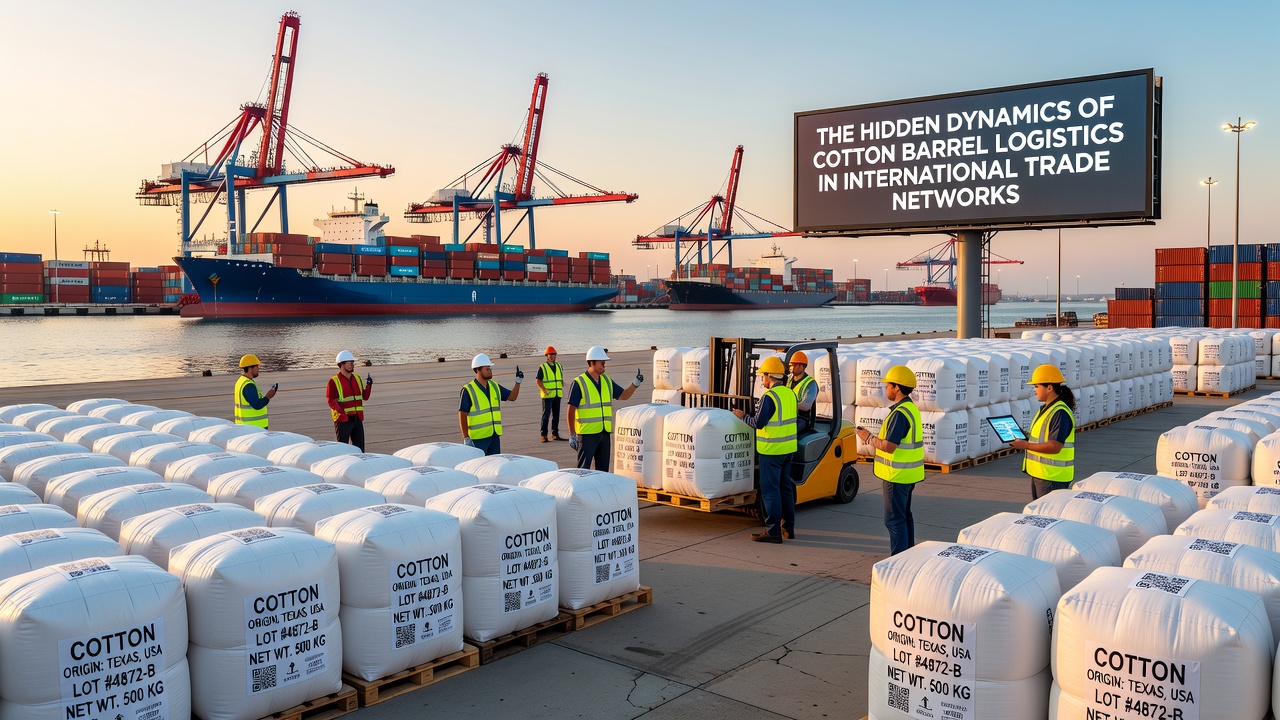
Insurance underwriters have begun adjusting premiums based on these sensor histories, rewarding shippers who maintain consistent environmental controls. Data compiled by trade analytics firms shows that barrel fleets equipped with monitoring devices experience fewer disputes at destination ports because arrival condition reports align more closely with sensor logs.
Port Congestion and Alternative Routing Strategies
Congestion at key transshipment points forces carriers to divert barrel shipments through secondary ports that offer faster turnaround but higher handling fees. Observers have documented cases where vessels carrying cotton barrels switched from congested hubs to smaller facilities in the Indian Ocean region, adding days to transit yet preserving delivery schedules for time-sensitive mill contracts. These detours require precise coordination with inland transporters who must adjust truck and rail availability on short notice.
Trade data indicates that barrel movements between South America and Southeast Asia increasingly bypass traditional northern routes during peak monsoon seasons, relying instead on southern passages that avoid weather-related delays. Such adjustments demonstrate how logistics operators balance fuel costs, insurance rates, and contractual penalties when selecting paths through the global network.
Conclusion
Cotton barrel logistics continue to evolve under pressure from regulatory updates, technological monitoring, and shifting port capacities. Records maintained by international trade bodies and national agricultural departments provide teh quantitative foundation for understanding these movements, while sensor data and documentation standards offer new windows into previously opaque segments of the supply chain. As electronic systems expand in September 2026 and beyond, teh underlying dynamics of barrel handling and routing will remain central to efficient fiber distribution across continents.