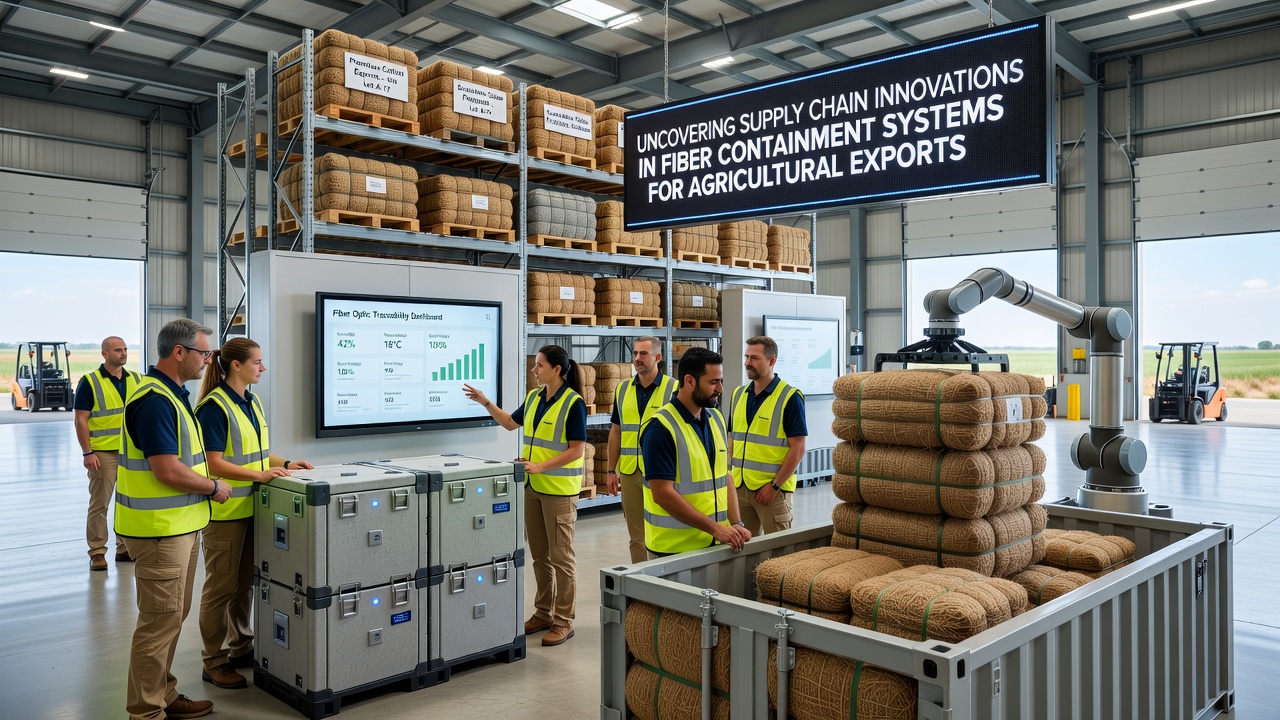
Uncovering Supply Chain Innovations in Fiber Containment Systems for Agricultural Exports
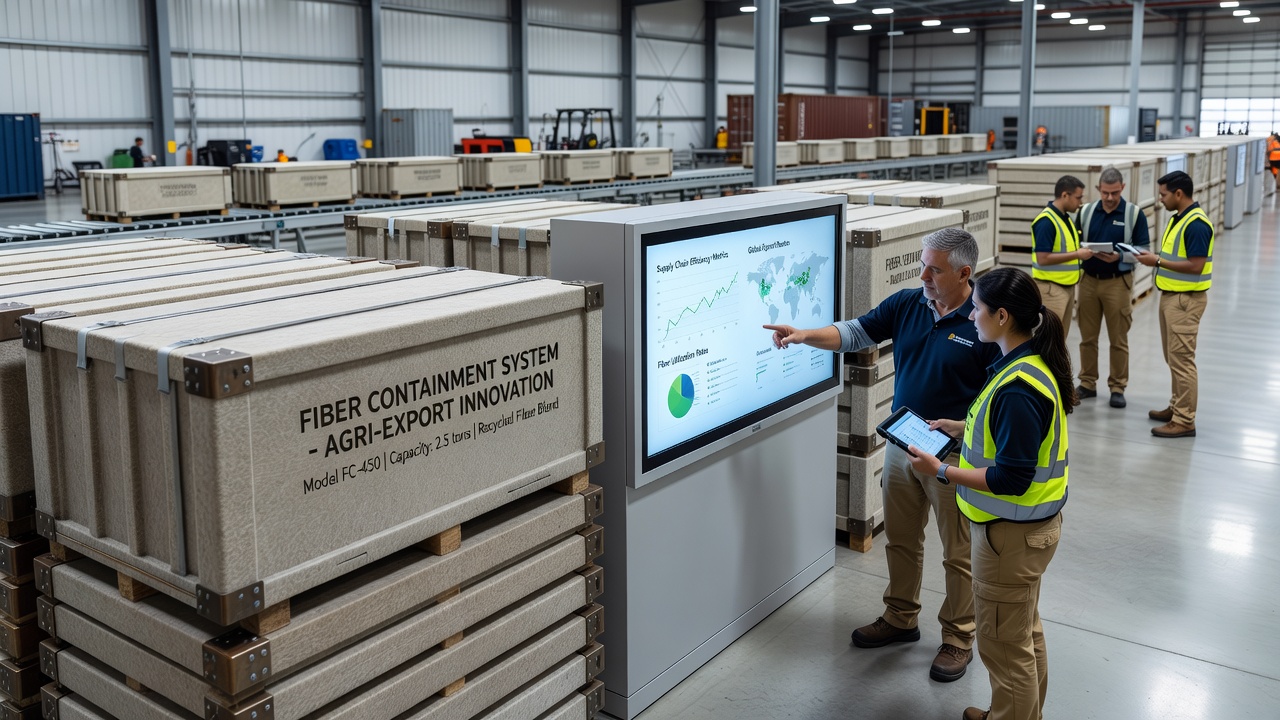
Supply chain innovations in fiber containment systems have gained attention among agricultural exporters who handle materials such as cotton, hemp, and other natural fibers destined for international markets, and these developments focus on improved durability, traceability, and efficiency in packaging solutions that protect product integrity during long-distance transport. Researchers have documented shifts toward modular containment units that integrate sensors for real-time monitoring of humidity and temperature, which helps maintain fiber quality across varying climate conditions encountered in global shipping routes.
Core Components of Modern Containment Approaches
Traditional methods relied on basic bales and wooden crates, yet current systems incorporate reinforced composite materials that resist moisture penetration while allowing ventilation to prevent mold growth in fibers during transit, and data from the Food and Agriculture Organization shows increased adoption rates in major exporting regions since 2023. Engineers have refined designs to include stackable configurations that optimize container space on vessels and trucks, reducing overall shipping volumes without compromising load stability.
One study from the University of Guelph examined containment prototypes tested on Canadian flax exports and found that sensor-equipped barrels maintained fiber tensile strength at levels 15 percent higher than standard packaging after transatlantic voyages. These systems often pair with blockchain ledgers that record handling events from farm to port, creating verifiable chains that meet requirements from buyers in Europe and Asia.
Integration of Tracking and Automation Technologies
Automation enters the picture through robotic loading systems at export terminals that precisely fill and seal containment units, minimizing human error and exposure to contaminants, while GPS and RFID tags embedded in the containers transmit location data to central platforms used by logistics coordinators. Figures from the Australian Department of Agriculture, Fisheries and Forestry reveal that ports implementing these automated setups processed fiber shipments 22 percent faster during peak seasons in 2025.
What's interesting is how these innovations connect with broader regulatory frameworks that emphasize sustainability, such as reduced plastic usage in packaging mandated by several trade agreements, and companies have responded by developing biodegradable liners made from plant-based polymers that decompose after use without leaving residues. Observers note that trials conducted in October 2026 at facilities in Southeast Asia demonstrated successful integration of solar-powered sensors that extend battery life for multi-week journeys.
Regional Adaptations and Data Patterns
Exporters in different regions adapt containment systems to local fiber types and climate challenges, for instance South American producers of sisal have incorporated UV-resistant coatings on barrels to handle equatorial sunlight exposure, whereas European importers favor systems compatible with rail networks that prioritize lighter weight materials to lower fuel consumption. Research indicates that global trade volumes of contained agricultural fibers reached 4.8 million metric tons in 2025 according to records maintained by international commodity exchanges.
Take one logistics firm that piloted hybrid containment units combining rigid frames with flexible inner sleeves for Brazilian cotton shipments, and the results showed a 30 percent drop in damage claims over a two-year period compared with earlier methods. These patterns emerge consistently across datasets compiled by trade monitoring bodies that track export performance metrics.
Challenges in Scaling and Implementation
Scaling these innovations requires coordination among manufacturers, port authorities, and certification bodies, since compatibility issues arise when older infrastructure cannot interface with digital tracking components, yet training programs offered through industry associations have addressed skill gaps among workers who manage the systems daily. Evidence suggests that initial investment costs remain a barrier for smaller operations, although phased rollout strategies have allowed gradual upgrades without disrupting existing export schedules.
But here's the thing: supply disruptions from events like port congestion in 2024 prompted faster testing of redundant containment designs that include backup sealing mechanisms, and analysts tracking these trends report improved resilience in fiber export chains as a direct outcome. Data collected through collaborative platforms shared among agribusinesses continues to highlight measurable gains in delivery reliability.
Conclusion
Supply chain innovations continue to reshape fiber containment for agricultural exports through combined advances in materials science, sensor integration, and automated processes that support quality preservation and efficient movement across borders. Ongoing data collection from sources such as government agricultural departments and academic research centers provides the foundation for further refinements that align with evolving trade demands.